Skip to content

Cart

Your cart is empty

In 2023 - Insadong Jongno-gu Seoul our masters were presented at Korea’s Official Master Artisans Exhibition - an esteemed showcase of nationally recognized craftsmanship.

Korea’s Official Master Artisans Exhibition 2023

In 2024 Insadong Jongno-gu Seoul our masters returned to Korea’s Official Master Artisans Exhibition - continuing a tradition of official recognition and public presentation.

Korea’s Official Master Artisans Exhibition 2024

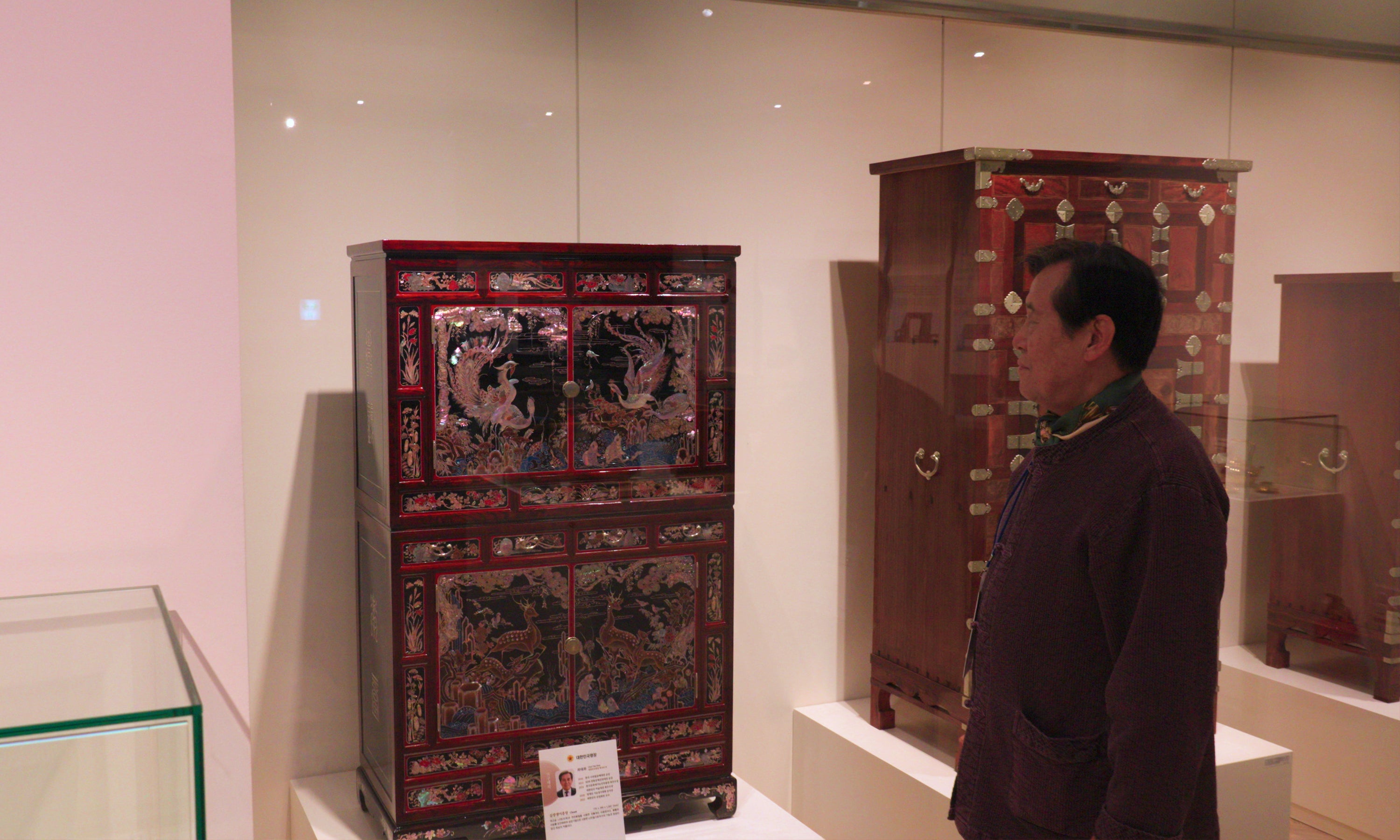
Najeonchilgi Mother-of-Pearl Inlay Lacquer Wardrobe Auspicious Phoenix & Deer Motifs

Korea Museum of Master Craftsmanship

Najeon Chilgi

Najeon Chilgi

Korean mother-of-pearl lacquerware, curated for collectors of quiet luxury.
Each piece captures light, time, and heritage - crafted to be lived with, and remembered.

Sort by

4 products

Filters

Korean mother-of-pearl lacquerware

NAJEON CHILGI

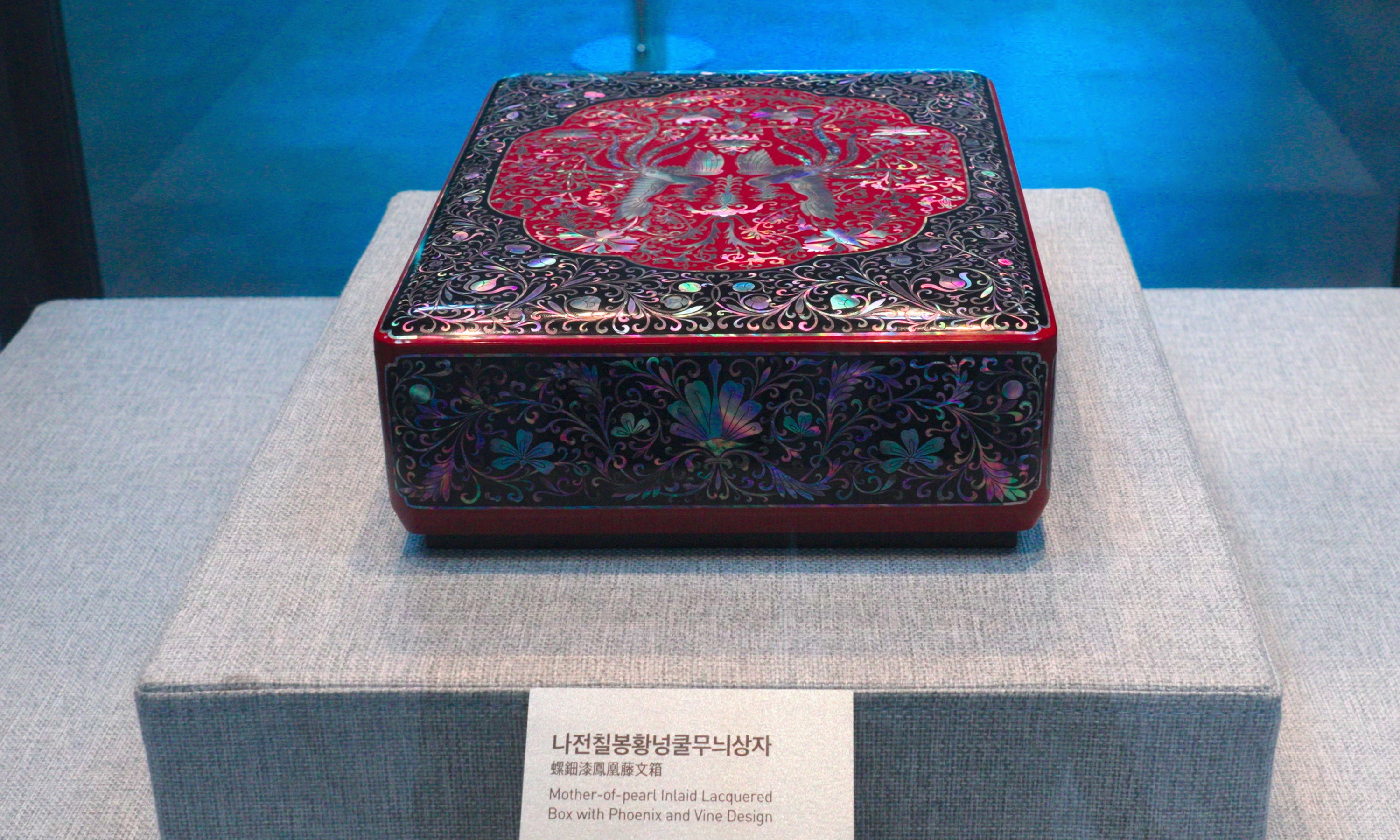
Najeon Chilgi - Korean mother-of-pearl lacquerware - unites natural iridescence with hand-built lacquer depth. A single work begins with a wooden core, then moves through inlay, repeated lacquering, meticulous polishing, and final glossing - a discipline of patience and precision. From the Goryeo Dynasty’s golden age to the refined aesthetics of later centuries, Korean najeon evolved into one of the most technically exacting lacquer traditions in East Asia. Today, these works remain profoundly rare—both in surviving historic masterpieces and in the number of top-level masters who can execute the craft at the highest standard.

A. Origins → Early Transmission - Pre-Goryeo
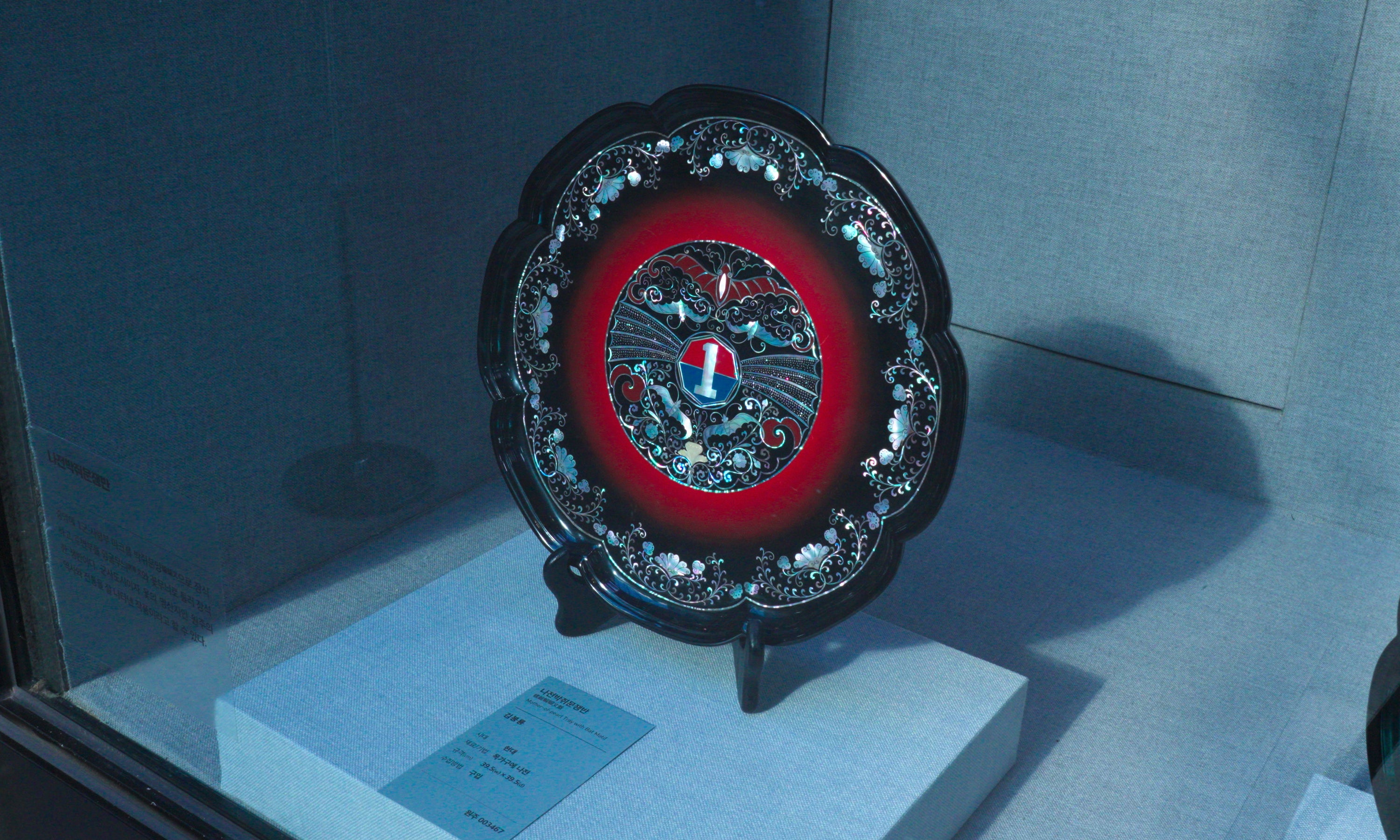
Mother-of-pearl inlay techniques are generally understood to have spread across East Asia via historical transmission routes (including influence from Tang China), and Korea’s tradition developed distinct material preferences and aesthetics over time.

What matters for collectors today is this: the greatest surviving historic concentration and refinement is associated with Goryeo.

B. Goryeo Dynasty (918–1392) - The Golden Age of Najeon
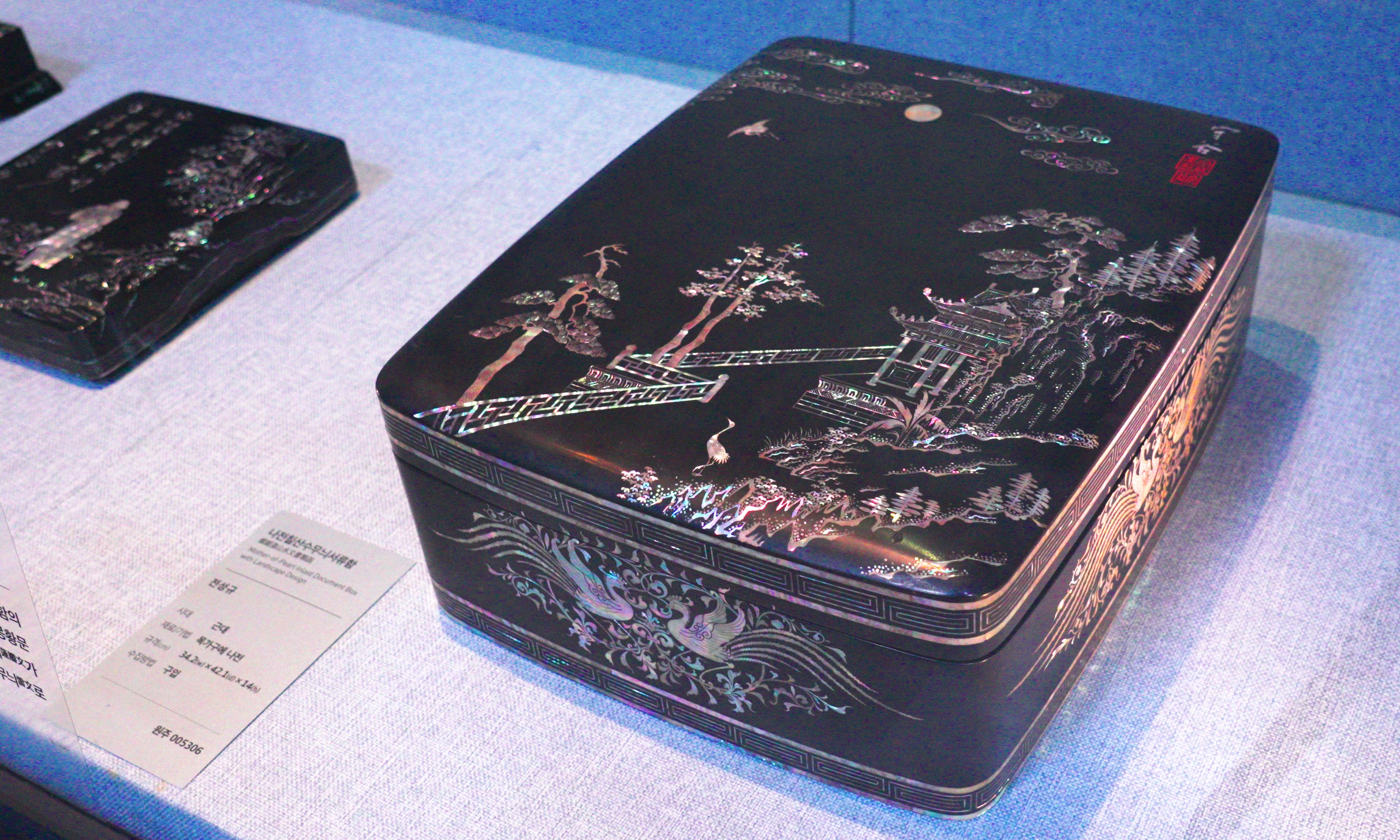
Goryeo najeon is celebrated for dense, intricate patterns and a sophisticated “light-within-dark” effect created by deep lacquer and precise inlay. Historic records and museum research consistently position Goryeo as the pinnacle era of classical najeon.

Notably, surviving Goryeo pieces are extraordinarily scarce—museum sources often note that fewer than about twenty comparable works remain worldwide.

C. Joseon Dynasty (1392–1910) - Refinement, Function, and Taste
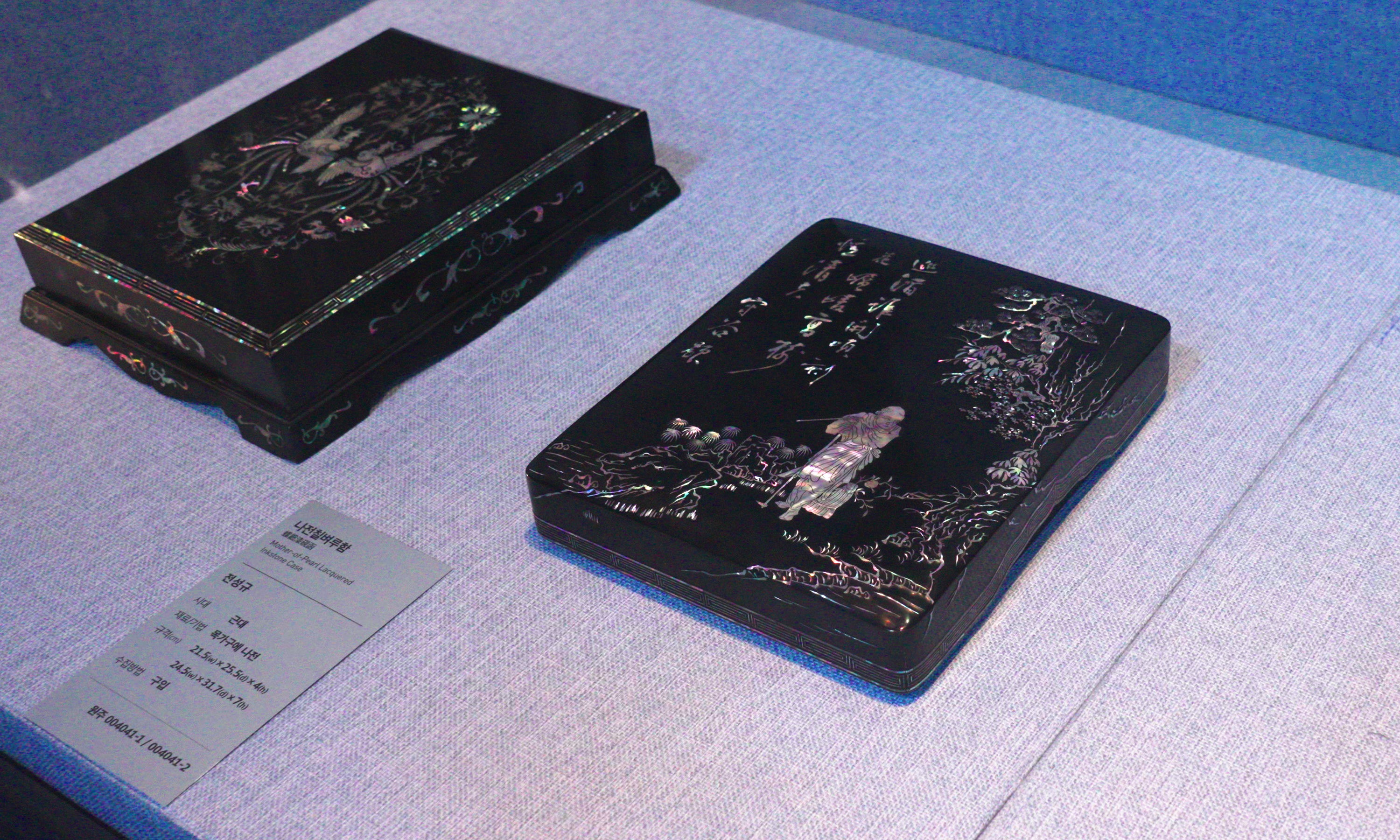
Joseon-period najeon generally trends toward more restrained elegance and increased integration into daily life objects (furniture, boxes, trays), shaped by changing social aesthetics.

Regional traditions - especially Tongyeong—become increasingly important in later centuries.

D. Modern Era (20th century) - Lifestyle Icon, Craft Industry, Cultural Memory
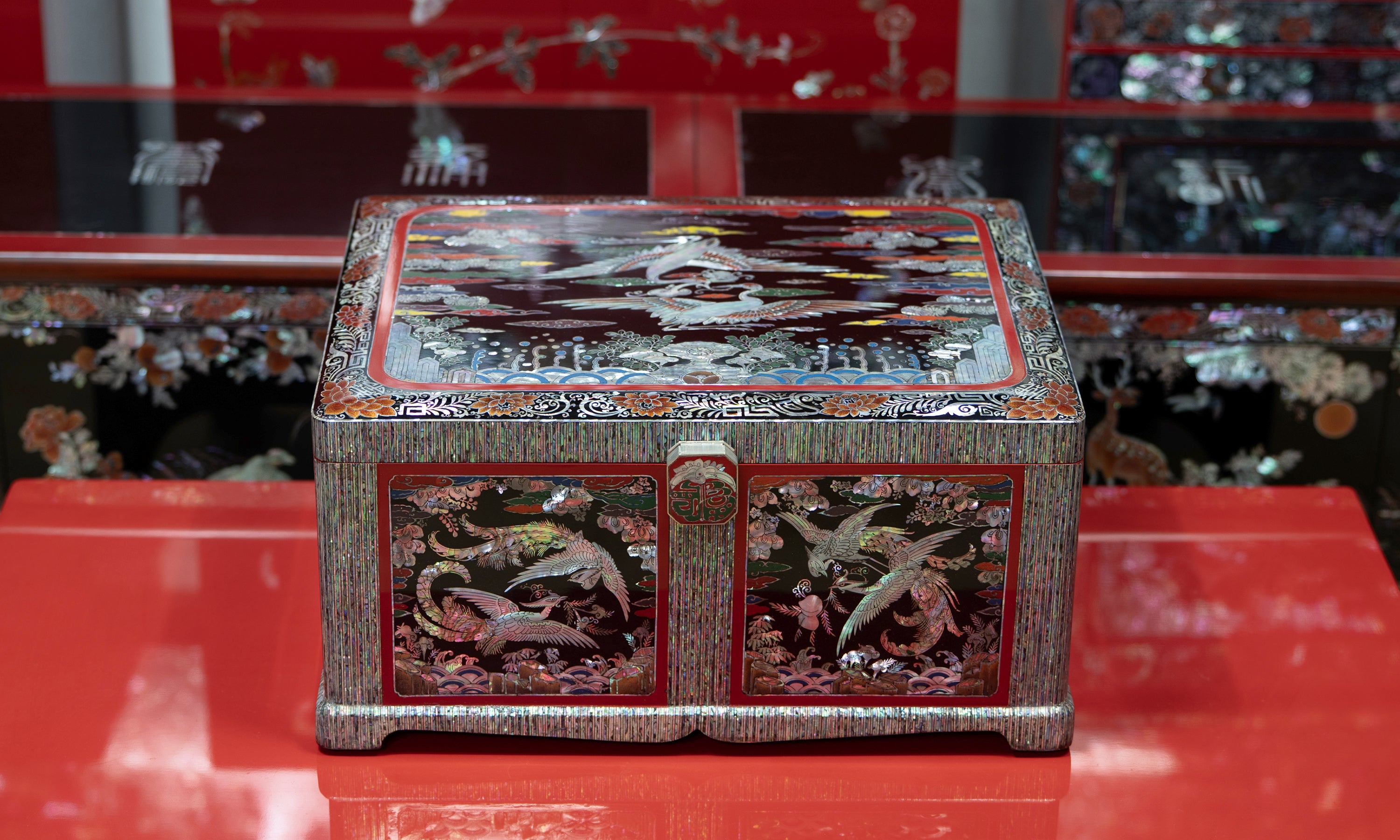
In modern Korea, najeon became both a luxury craft and a household symbol—commonly appearing in wedding furniture, chests, and interior pieces, and later expanding into contemporary decorative arts and collectible works.

E. Today: Museum-Grade Continuity + Contemporary Collecting

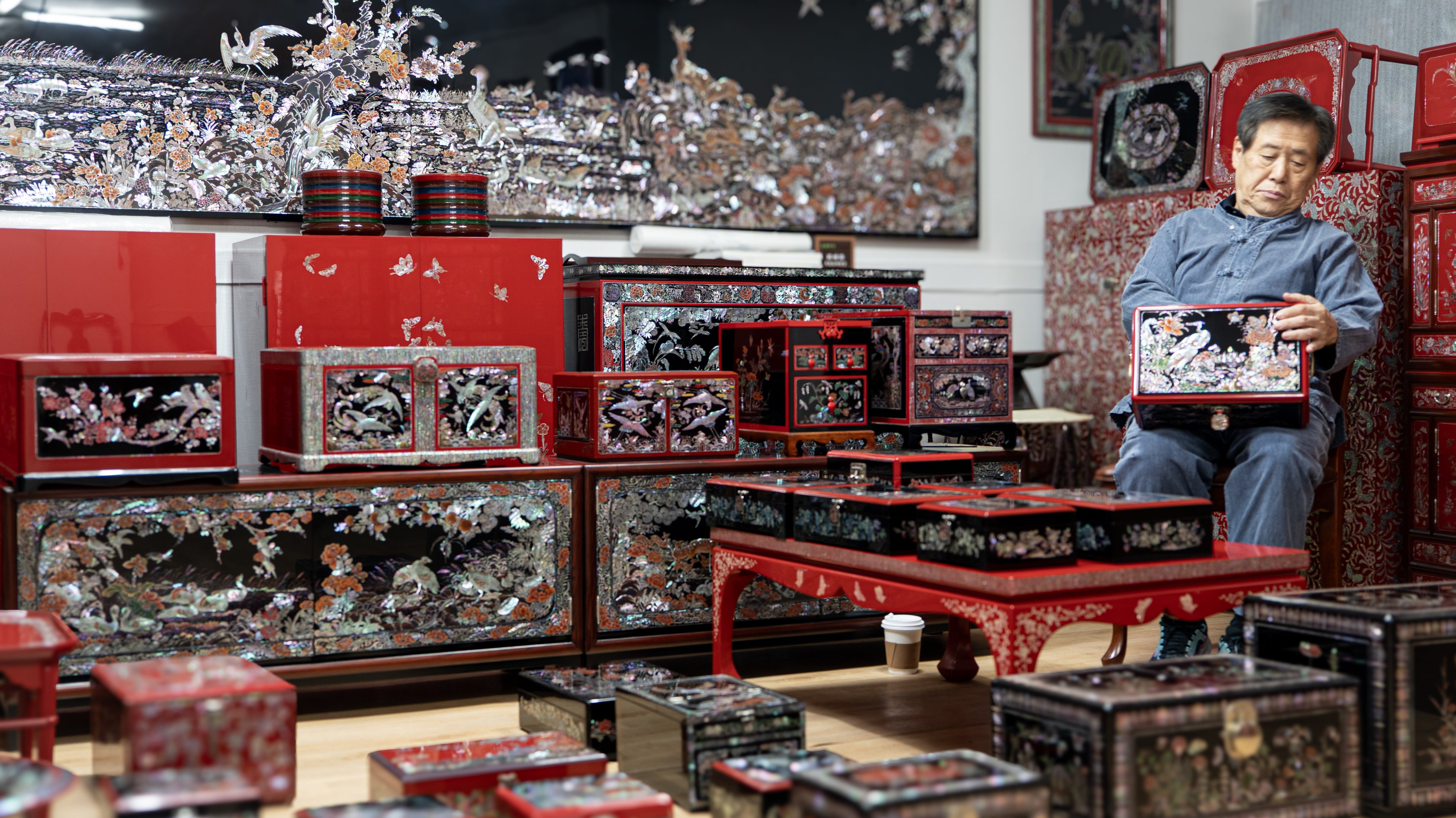
Today’s highest-level najeon is sustained by a very small number of officially recognized masters and serious ateliers—where the craft remains defined by handwork, time, material sensitivity, and uncompromising finishing.

.